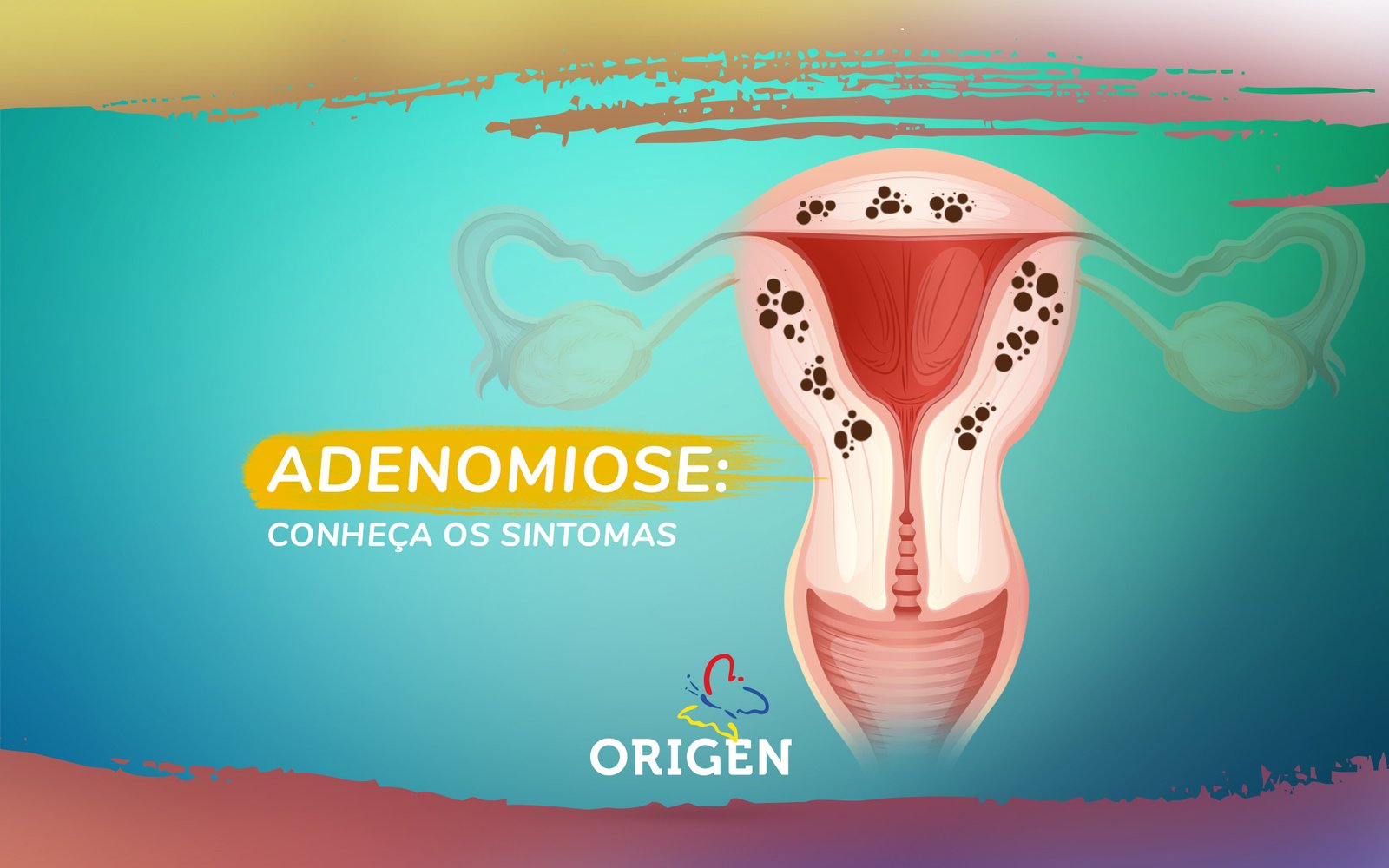
adenomiose focal o que é » adenomiose: conheça os sintomas
Adenomyosis is a common gynecological disorder that often goes undiagnosed. This condition occurs when the tissue lining the uterus begins to grow into the muscular wall of the uterus, causing pain and other symptoms. Adenomyosis is typically diagnosed in women who are between the ages of 40 and 50, though it can affect women of all ages. In this article, we will discuss the symptoms, causes, diagnosis, and treatment options for adenomyosis. Symptoms of Adenomyosis: Adenomyosis can cause a variety of symptoms, including: - Heavy or prolonged menstrual bleeding - Persistent pelvic pain - Painful intercourse - Back pain - Bloating - Fatigue - Mood swings Diagnosis of Adenomyosis: If you experience any of these symptoms, it is important to see your healthcare provider for an evaluation. Your doctor will perform a physical exam, including a pelvic exam, to check for abnormalities. Imaging tests such as an ultrasound or MRI may also be used to confirm a diagnosis. In some cases, a biopsy may be necessary to rule out other conditions. Treatment Options for Adenomyosis: Treatment for adenomyosis varies depending on the severity of symptoms. In mild cases, over-the-counter pain relievers such as ibuprofen or acetaminophen may be sufficient to manage pain. In more severe cases, hormone therapy may be recommended. Hormone therapy can include the use of birth control pills, progesterone-only pills, or an intrauterine device (IUD) containing progesterone. In some cases, surgical options may be necessary. These can include hysterectomy (removal of the uterus) or endometrial ablation (a procedure in which the lining of the uterus is removed). Living with Adenomyosis: While there is no cure for adenomyosis, there are steps that can be taken to manage symptoms. These can include eating a healthy diet, getting regular exercise, and practicing stress-reduction techniques such as yoga or meditation. It is also important to stay on top of any recommended treatments and follow-up appointments with your healthcare provider. In conclusion, adenomyosis is a common gynecological disorder that can cause a variety of symptoms. If you experience any of the symptoms listed above, it is important to see your healthcare provider for an evaluation. Treatment options for adenomyosis vary depending on the severity of symptoms. While there is no cure for adenomyosis, there are steps that can be taken to manage symptoms and improve quality of life.
If you are searching about » Adenomiose: conheça os sintomas you’ve came to the right place. We have 5 Pics about » Adenomiose: conheça os sintomas like » Adenomiose: conheça os sintomas, Quem tem adenomiose pode engravidar? - Clinifert and also Adenomiose: o que é, sintomas e possíveis causas - Tua Saúde. Read more:
» Adenomiose: Conheça Os Sintomas
 origen.com.brQuem Tem Adenomiose Pode Engravidar? - Clinifert
 clinifert.com.bradenomiose engravidar quem
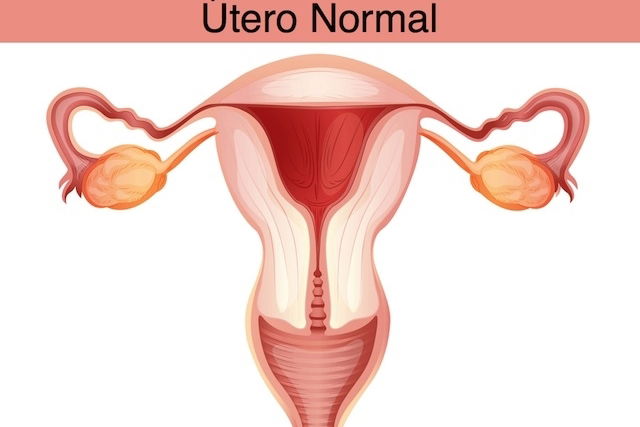
Adenomiose: O Que é, Sintomas E Possíveis Causas - Tua Saúde
 www.tuasaude.comAdenomiose | Dra. Fernanda Valente | Reprodução Humana SP
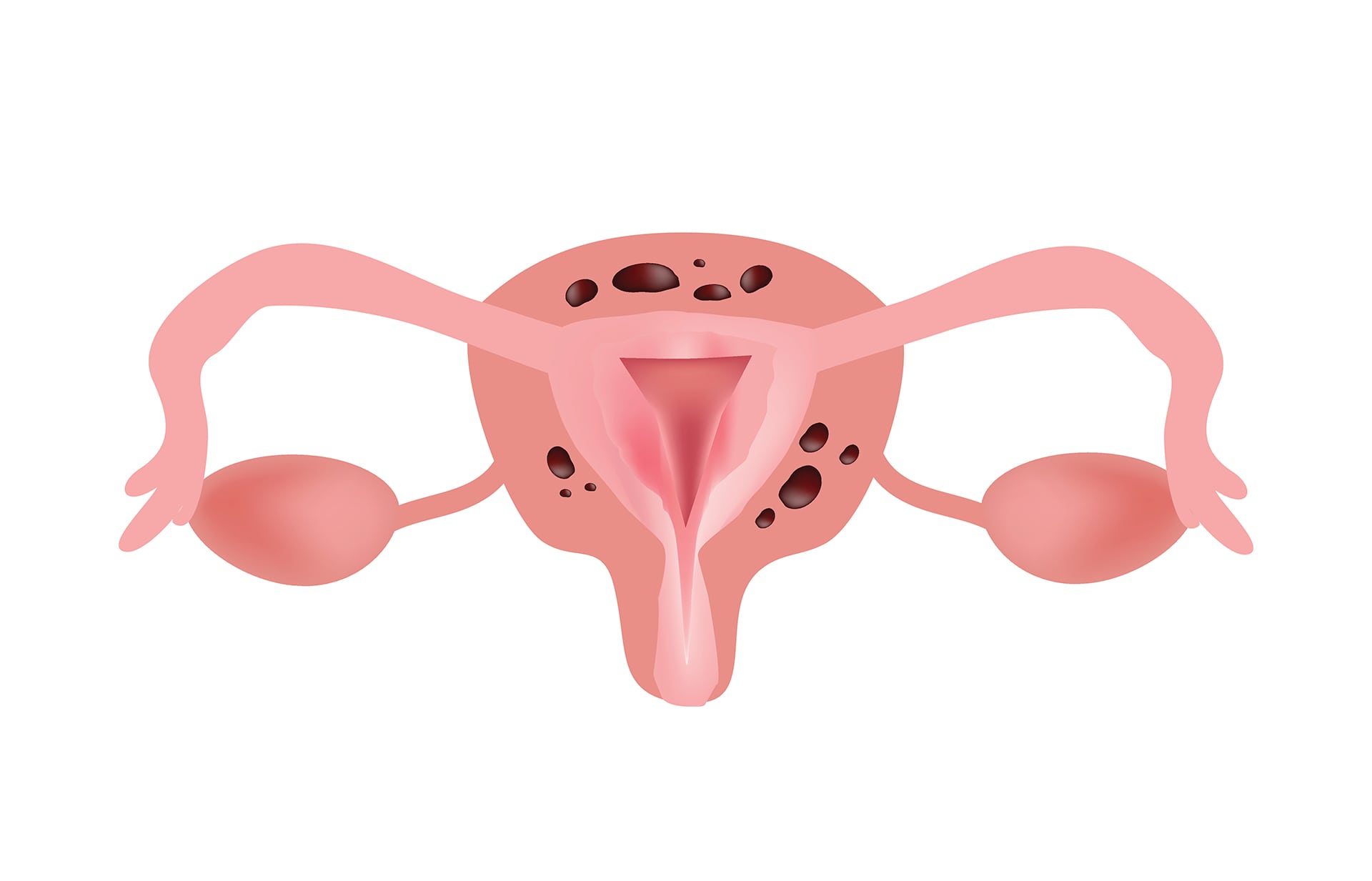 fernandavalente.com.brAdenomiose
 www.ultraeduc.com.bradenomiose
Quem tem adenomiose pode engravidar?. Adenomiose: o que é, sintomas e possíveis causas. Adenomiose engravidar quem